
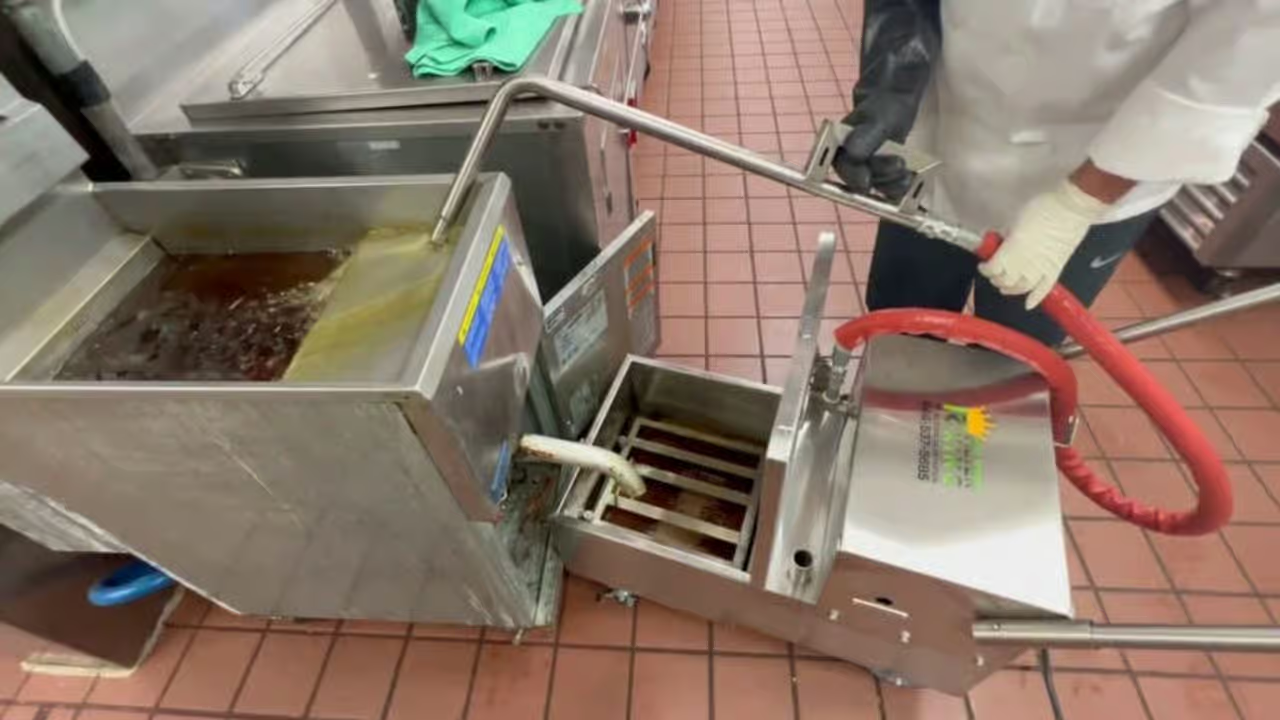
In the ever-evolving landscape of the food service industry, maintaining competitive advantage while ensuring quality and efficiency is paramount. One significant operational cost that restaurants and commercial kitchens face is associated with cooking oil, particularly in establishments where deep frying plays a central role. Implementing advanced deep fryer oil filtration systems can be a game-changer in reducing these costs, enhancing sustainability, and improving overall food quality.
Deep fryer oil filtration systems are designed to extend the life of cooking oil by removing food particles and other impurities that accumulate during the frying process. Traditional methods of managing used oil often involve frequent replacements, which can be both costly and wasteful. However, advanced filtration technology allows for continuous purification of the oil, thereby prolonging its usability without compromising on taste or safety standards.
One of the most direct benefits of utilizing sophisticated filtration systems is the reduction in oil consumption. By efficiently removing contaminants from the oil, these systems enable businesses to use their cooking oils for longer periods before replacement becomes necessary. This not only cuts down on purchasing costs but also reduces waste disposal expenses since less used oil needs to be discarded over time.
Moreover, consistent use of clean filtered oil significantly enhances food quality. The removal of burnt residues and carbonized particles ensures that fried foods maintain their intended flavor profiles without any undesirable aftertastes that old or contaminated oils might impart. This improvement in product quality can lead to increased customer satisfaction and loyalty.
Energy savings represent another critical aspect where advanced filtration systems contribute to cost reduction. Clean oil heats more evenly than degraded or dirty oils, leading to more efficient heat transfer during cooking processes. As a result, fryers require less energy to maintain optimal cooking temperatures when using properly filtered oils—translating into lower utility bills over time.
Furthermore, incorporating state-of-the-art filtration solutions aligns with growing environmental consciousness within both consumers and businesses alike. By minimizing waste through extended use cycles for frying oils and reducing energy consumption due to improved thermal efficiency, establishments demonstrate a commitment towards sustainable practices—a factor increasingly valued by customers today.
Investments in modern deep fryer oil filtration systems technologies also yield long-term financial advantages beyond immediate savings on operational costs; they contribute positively toward equipment longevity as well by preventing buildup-related damage inside fryers themselves—thereby lowering maintenance expenses too.
In conclusion: adopting advanced deep fryer oil filtering techniques presents numerous opportunities for cost reductions across various facets within culinary operations—from direct material savings via decreased frequency purchasing requirements right through indirect benefits associated with better-quality offerings plus enhanced eco-friendly credentials demonstrated outwardly toward clientele base at large!